You might be among the many that think gas boilers are so much more trustworthy and efficient than Air Source Heat Pumps. We don’t blame you, there is a lot of myths and misinformation out there regarding ASHPs. Hopefuully we can help debunk this for you so you can make the most informed choice possible for your home! Let’s first break down what ASHPs actually are and how they work.
What even are ASHPs?
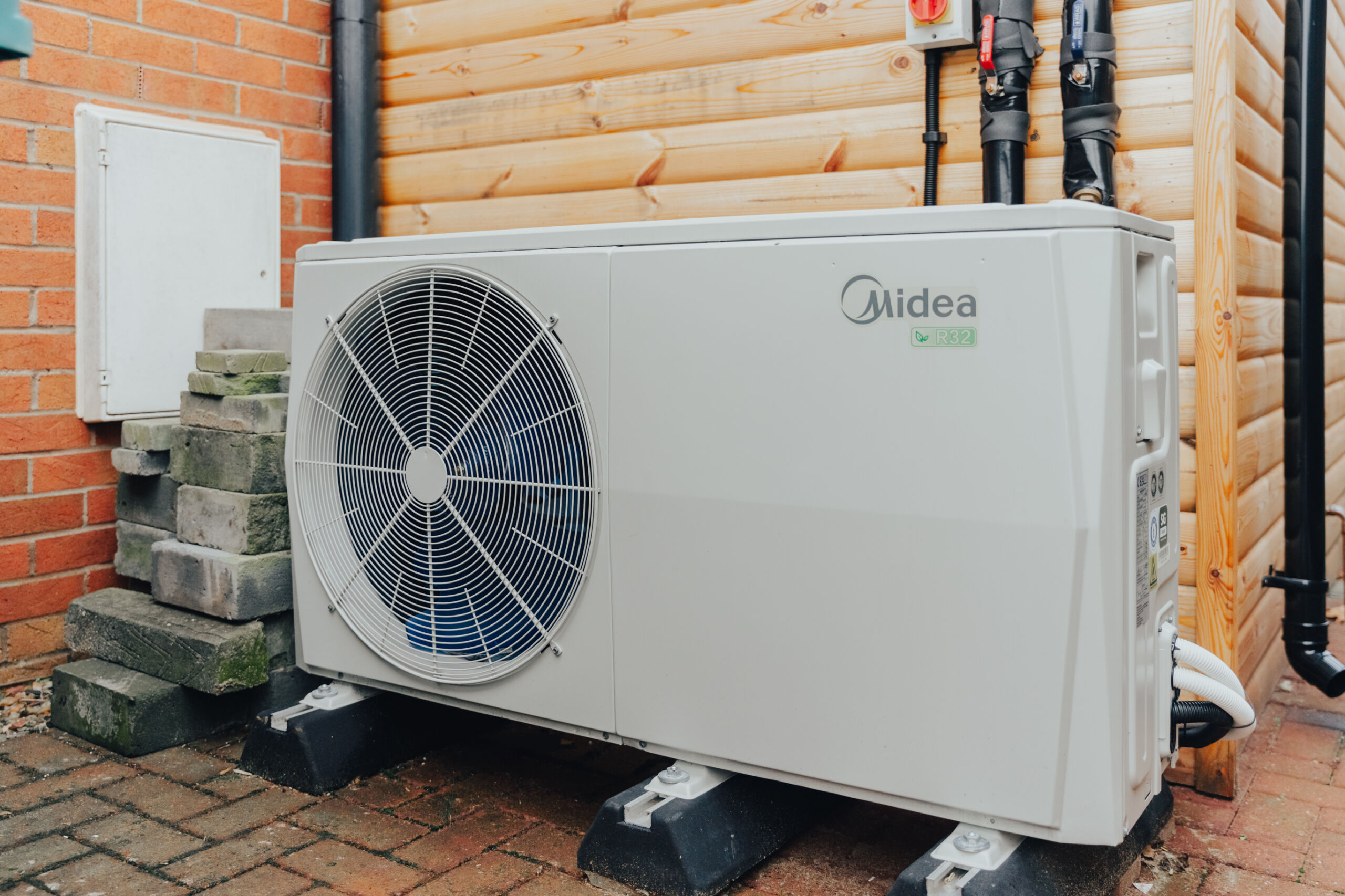
To put it simply, Air Source Heat Pumps transfer heat from the outside air to water. This then heats your rooms in your home either by radiators or underfloor heating (or both). They can also heat water stored in a cylinder for your taps, showers and baths.
You can think of them like fridges but in reverse! Instead of making things cold inside, they grab warmth from the air and use it to heat your home. You may be thinking, Scotland? Hot air? Even when it is cold outside, there is still enough heat in the air to make a difference indoors.
The house is now lovely and cosy for a lower cost, despite us now going into winter!
Flo, (Trustpilot)
Let’s talk Efficiency
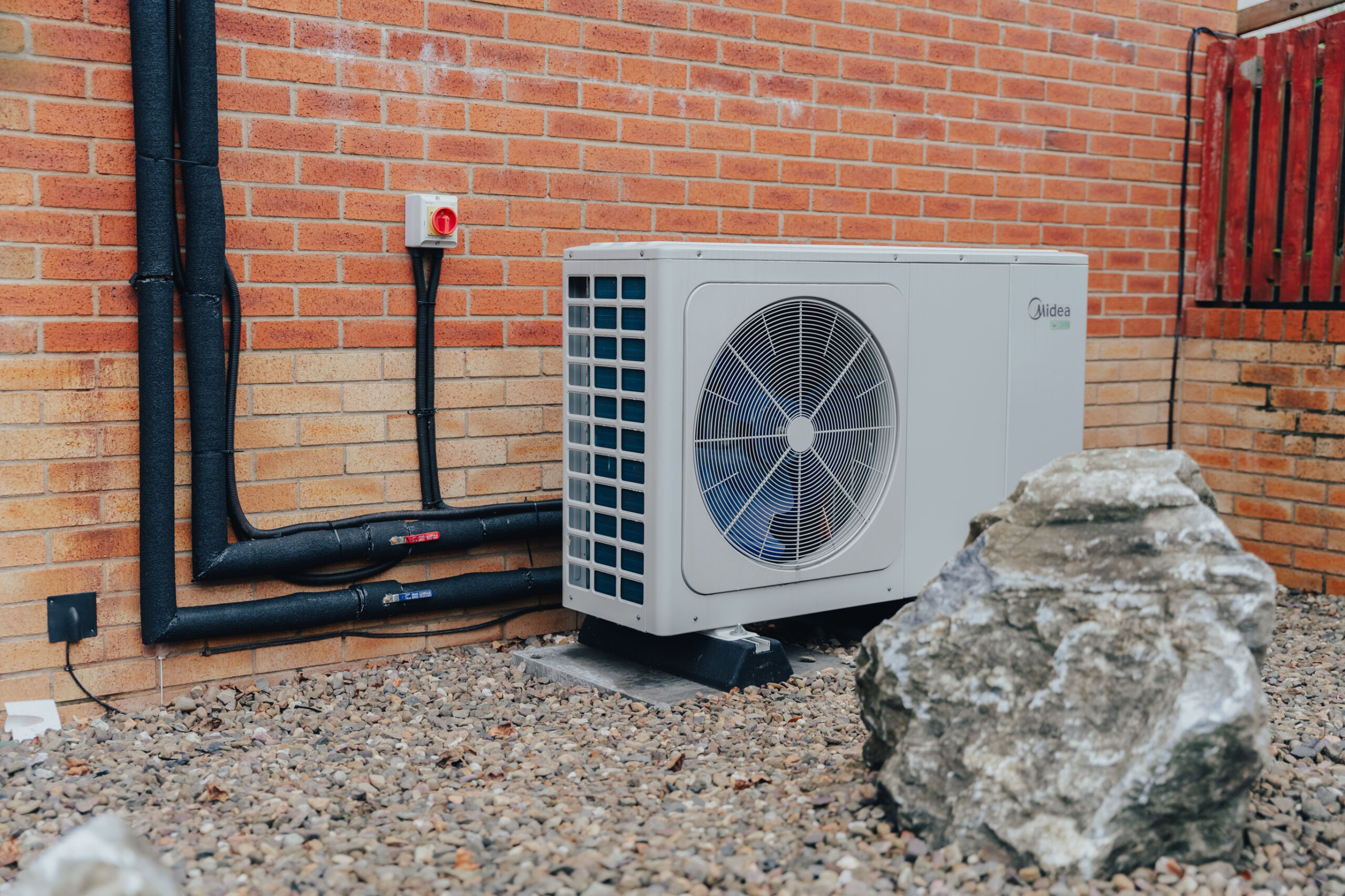
ASHPs are 3x more efficient than a gas boiler and produce 2-3x fewer CO2 emissions yearly! You may have heard that “ASHPs aren’t as good as a gas boiler in the winter”, but even during winter they still run at around 200% efficiency. They can work down even when the temperatures are well below freezing! They are designed to work efficiently down to around -10, which is very rare for Scotland to ever drop under.
They are the perfect way to heat your home for less* while cutting carbon emissions!
*Dependant on existing fuel supply and customer usage.
Be Forward Thinking
Scotland aims to reach net-zero emissions by 2045, with a major focus on phasing out fossil fuel boilers (gas, oil, LPG) in favour of clean heating systems like heat pumps. While new-build homes have faced restrictions on gas boilers since April 1, 2024, the government has adjusted its strategy to focus on cost-effective transitions, aiming to phase out the installation of new, polluting heating systems from 2035.